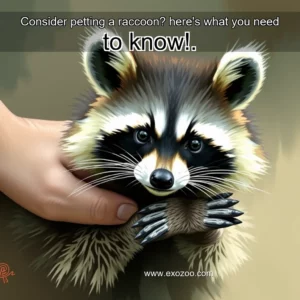

Understanding the Role of Wildlife in Fire Events
Wildlife plays a crucial role in fire events, and their behavior can significantly impact the spread of fires. In California, wildlife such as deer, rabbits, and birds can inadvertently contribute to the spread of wildfires by creating fire breaks or clearing vegetation that can fuel fires. However, it’s essential to understand that wildlife is not the primary cause of wildfires in California.
Factors Contributing to Wildfire Spread
Several factors contribute to the spread of wildfires in California, including:
Feeding and Handling Wild Animals Can Have Devastating Consequences for Both Humans and Animals.
If you encounter a wild animal, stay calm and slowly back away.
Understanding the Risks of Human-Feeding Wild Animals
Feeding wild animals can have unintended consequences, including the loss of natural fear and increased aggression. When humans provide food to wild animals, they can become dependent on humans for sustenance, leading to a loss of their natural fear of people. This can make them more aggressive and unpredictable, posing a risk to both humans and pets.
The Consequences of Human-Feeding
The Importance of Not Capturing or Handling Wild Animals
Capturing or handling wild animals can be extremely dangerous and is not recommended. Wild animals can cause serious injury to humans and pets, and can also transmit diseases. Additionally, capturing or handling wild animals can disrupt their natural behavior and cause them stress.
Why Not to Capture or Handle Wild Animals
Wildlife Encounters Carry Hidden Dangers to Human Health and Safety.
The Hidden Dangers of Wildlife Encounters
Wildlife encounters can be thrilling, but they also pose significant risks to human health and safety. While interacting with wildlife can be a fun and educational experience, it’s essential to be aware of the potential dangers that come with it.
The Risks of Wildlife Encounters
The Importance of Proper Training and Licensing
If you’re interested in interacting with wildlife, it’s crucial to obtain the necessary training and licensing. This includes:
Donate to the local wildlife rehabilitation center. Donate to the California Wildlife Rehabilitation Fund.
Wildlife Rehabilitation: A Crucial Role in Conservation**
Wildlife rehabilitation is a vital component of conservation efforts, playing a crucial role in the recovery and release of injured, orphaned, and sick wildlife. The California Department of Fish and Wildlife (CDFW) is at the forefront of this endeavor, working tirelessly to ensure the well-being of California’s diverse wildlife population.
The Importance of Wildlife Rehabilitation**
Wildlife rehabilitation is not just a nicety; it’s a necessity.
Use the CDFW Wildlife Mortality Reporting System to report dead wildlife. Use the CDFW Human-Wildlife Conflicts Toolkit web page for information on how to minimize human-wildlife conflicts.