Discovering a Passion for Animal Care
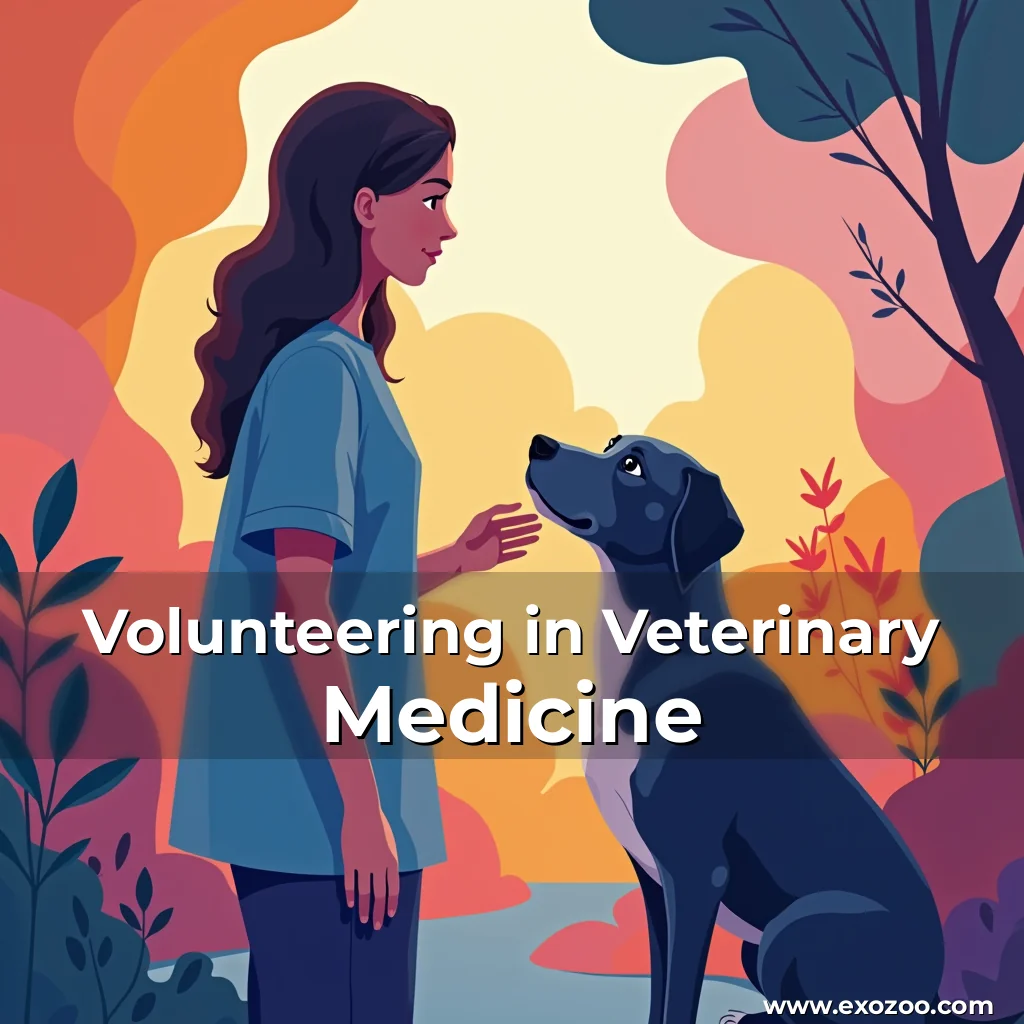
As a child, I was captivated by the idea of becoming a veterinarian. My desire to help animals grew stronger with each passing day. Unlike many of my friends, I didn’t lose interest; instead, I continued to nurture my passion. My parents encouraged me to excel academically, but they didn’t push me to prioritize high grades. As a result, my academic record wasn’t particularly impressive. Fortunately, I spent a considerable amount of time volunteering in the field. Initially, I “helped out” at a local veterinary clinic after school, which eventually turned into part-time employment as a receptionist. Although I wasn’t directly involved with animals, I gained valuable experience and skills. I also volunteered at a wildlife rescue organization for many years, where I developed a range of skills and expertise. The positive references I received from my volunteer experiences were instrumental in securing my acceptance into veterinary science. Volunteering not only deepened my understanding of the veterinary profession but also broadened my horizons. It exposed me to the various aspects of animal care and the different ways people contribute to the field.
Veterinary Careers Beyond Veterinary Science
Veterinary science is just one aspect of animal care. There are numerous other careers that involve working with animals, including veterinary nurses, technicians, and animal rescue organizations. Some of these roles involve working directly with animals, while others focus on supporting the veterinary team or managing animal welfare organizations. For example, a veterinary nurse might care for animals during procedures, administer medication, and monitor their health. A veterinary technician might assist with laboratory tests, take X-rays, and prepare animals for surgery. Animal rescue organizations rely heavily on volunteers to assist with daily operations, such as feeding and grooming animals, cleaning enclosures, walking dogs, and providing administrative support.
The Benefits of Volunteering in Animal Welfare Settings
Volunteering in animal welfare settings offers numerous benefits for individuals, organizations, and animals themselves. Some of these advantages include:
- Practical skills and experience
- Networking opportunities and references
- Personal growth and development
- Community impact and advocacy
Volunteering helps organizations run more efficiently and effectively. By donating their time, volunteers can help reduce operating costs and allocate more resources to medical care, facility improvements, and community outreach programs. Volunteering also has a profound impact on volunteers themselves. It fosters empathy, patience, and teamwork, allowing them to develop essential skills and form lasting connections with others. Volunteers often work alongside a diverse group of staff and fellow volunteers, creating a sense of community and shared purpose.
Conclusion
Volunteering in veterinary medicine is more than just a way to boost one’s CV – it’s a transformative experience that benefits animals, organizations, and individuals. It provides an opportunity to learn, grow, and make a tangible difference in the lives of creatures who rely on human compassion and care. Whether volunteering for a few hours, a week, or as part of a long-term goal, this experience can be a powerful way to give back and grow forward. By dedicating time and energy to animal welfare, individuals can make a real difference in their communities and contribute to broader efforts to improve the treatment and care of animals.