
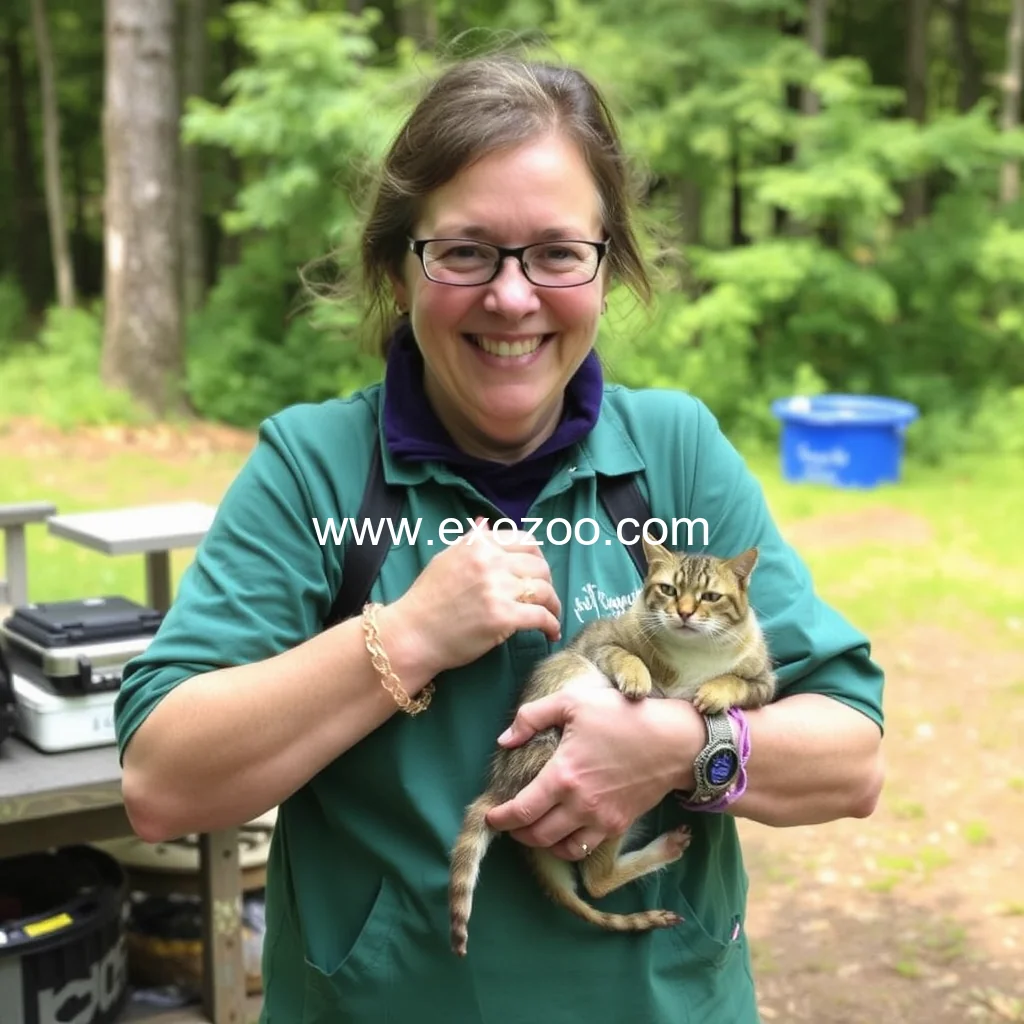
She has also created a network of volunteers and partners to help care for the wildlife. She is a passionate advocate for wildlife conservation and has been involved in various initiatives to protect and preserve the wildlife in the area.
The Leyden Center for Wildlife Rehabilitation: A Haven for Injured Wildlife
In the heart of Leyden, a small town in the Netherlands, a remarkable woman has dedicated her life to caring for injured and sick wildlife. Amelie Dricut-Ziter, the founder and director of the Leyden Center for Wildlife Rehabilitation, has created a sanctuary for these animals, providing them with the medical care and attention they need to recover and thrive.
The Leyden Center: A Home Away from Home
The Leyden Center is a unique facility that offers a safe haven for wildlife in need. Located in Amelie’s home, the center is equipped with state-of-the-art medical equipment and a team of dedicated volunteers who work tirelessly to care for the animals.
She started with small animals like mice and rabbits, then moved on to birds and eventually larger animals like deer and bears.
The Journey of a Wildlife Rehabilitator
Getting Started
Dricut-Ziter’s journey as a wildlife rehabilitator began with a passion for animals and a desire to make a difference. She had always been fascinated by the natural world and had a strong sense of empathy for injured and orphaned animals.
The Animal Shelter
The animal shelter is a place where people can bring their unwanted pets to be cared for until they find a new home. It’s a safe haven for animals in need, providing them with food, shelter, and medical care. The shelter is run by a dedicated team of volunteers and staff who work tirelessly to ensure the well-being of the animals.
Types of Animals
The animal shelter is home to a diverse range of animals, including mammals, birds, reptiles, and amphibians.
In the decision-making process, Dricot-Ziter emphasizes the importance of considering the long-term consequences of her decisions. She believes that making decisions based on short-term gains can lead to long-term problems. In the winter, she says she has to be more cautious and consider the potential risks and downsides of her decisions.
The Art of Decision-Making: Lessons from a Seasoned Coach
As a seasoned coach, Dricot-Ziter has spent years honing her decision-making skills. She attributes her success to a unique approach that takes into account the changing seasons of her life. In this article, we’ll explore the lessons she’s learned from her experiences and how you can apply them to your own decision-making process.
Understanding the Seasons of Life
Dricot-Ziter’s approach to decision-making is deeply rooted in her understanding of the seasons. She believes that each season brings its own unique challenges and opportunities, and that these can inform our decision-making process.
Spring: A Time for Growth and Expansion
In the spring, Dricot-Ziter says it’s easier to make tough decisions.
Introduction
The world of animal rehabilitation is a complex and multifaceted field that requires a deep understanding of animal behavior, physiology, and psychology. One of the most critical aspects of animal rehabilitation is the use of Dricot-Ziter, a specialized system designed to monitor and assess the neurological function of animals.
The Unexpected Rescue
The unexpected rescue of a baby bobcat in Gill, Massachusetts, highlights the importance of swift action and specialized care in wildlife rehabilitation. The incident began when Animal Control Officers received a call about a found, injured feline in the area. Upon arrival, they discovered the baby bobcat, which was unable to move or stand due to its injured leg.
The Initial Response
The Animal Control Officers immediately took the baby bobcat into custody and transported it to the South Deerfield Veterinary Clinic for evaluation. The clinic’s staff assessed the animal’s condition and provided initial care, including administering pain medication and stabilizing the leg. However, due to the severity of the injury, the clinic was unable to provide the necessary treatment, and the animal was subsequently transported to the Tufts Wildlife Clinic for further care.
The Tufts Wildlife Clinic
The Tufts Wildlife Clinic is a renowned institution for wildlife rehabilitation, specializing in the care of injured and orphaned animals. The clinic’s team of experts, including veterinarians, wildlife biologists, and rehabilitation specialists, work together to provide comprehensive care and treatment.
“It’s not just about the animal, it’s about the ecosystem and the community that the animal belongs to,” she emphasizes. “We need to consider the bigger picture and not just focus on the individual animal.”
Assessing the Need of the Animal
When a wildlife rehabilitation center receives a call about a injured or orphaned animal, the first step is to assess the need of the animal. This involves gathering information about the animal’s species, age, and the nature of its injury or illness. The center’s staff will also consider the animal’s habitat and the potential impact of its release back into the wild. Factors to consider when assessing the need of the animal include: + Species-specific needs and requirements + Age and developmental stage + Nature and severity of the injury or illness + Habitat and environmental factors + Potential impact on the ecosystem and community
The Importance of Ecosystem Considerations
Ecosystem considerations are crucial when assessing the need of an animal. The rehabilitation center’s staff must consider the potential impact of the animal’s release back into the wild on the ecosystem and community. This includes factors such as:
By considering these factors, the rehabilitation center’s staff can make an informed decision about whether to release the animal back into the wild or provide ongoing care.
The Role of Community Engagement
Community engagement is also an important aspect of assessing the need of an animal.
She explains that “rehabilitating a wild animal is like giving it a second chance at life.”
The Rewards of Wildlife Rehabilitation
Wildlife rehabilitation is a rewarding and challenging profession that requires dedication, patience, and a passion for helping animals in need. For those who are willing to put in the time and effort, the rewards can be immense.
The Benefits of Rehabilitation
The Challenges of Rehabilitation
Real-Life Examples of Wildlife Rehabilitation
Wildlife rehabilitation is a vital service that requires a great deal of knowledge, skill, and compassion.
Introduction
The world of wildlife rehabilitation is a complex and multifaceted field that requires a great deal of knowledge, skill, and compassion. As a local wildlife rehabilitator, you play a vital role in the recovery and release of injured or orphaned animals back into their natural habitats.