
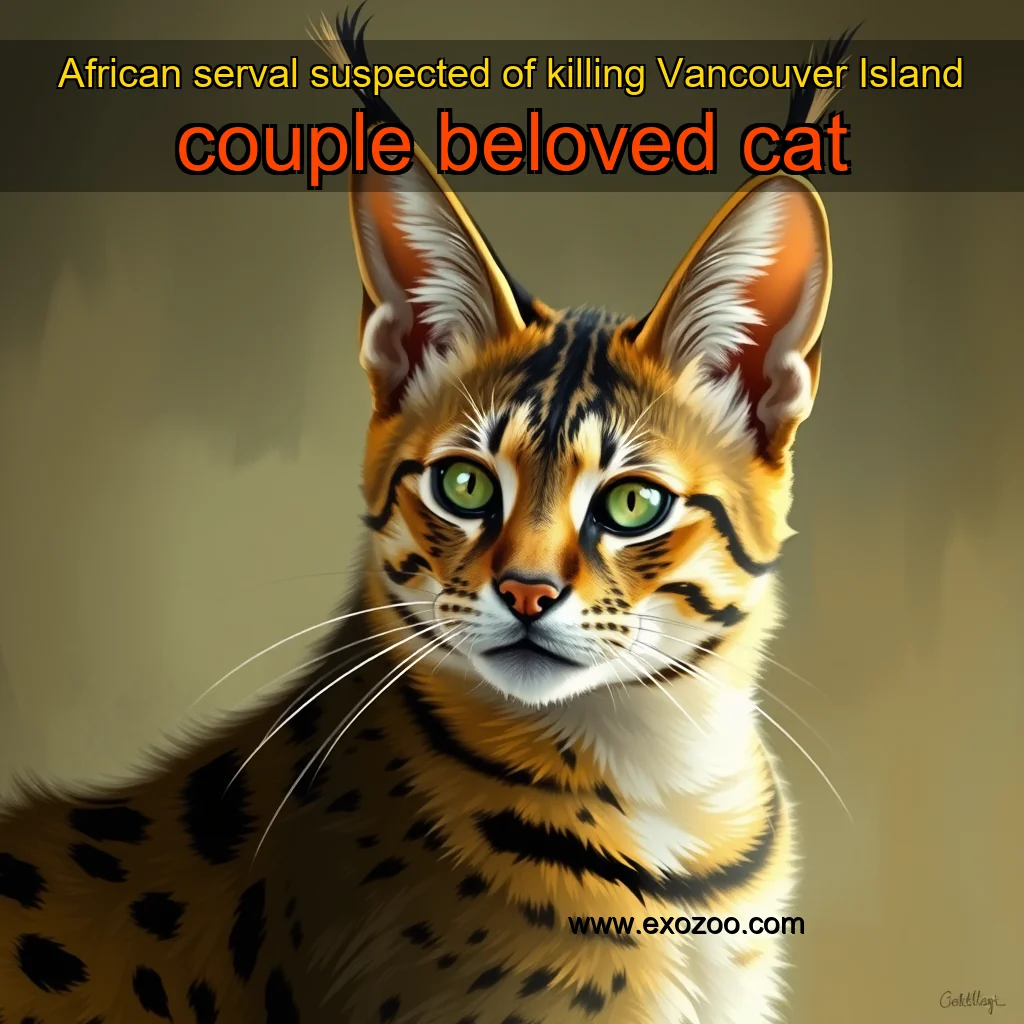
The large cat, which is native to Africa, is not typically found in British Columbia, but has been spotted in the area before.
The Serval Cat: A Rare and Elusive Species
The African serval cat is a medium-sized, wild cat species native to the savannas and grasslands of sub-Saharan Africa. It is characterized by its distinctive coat pattern, featuring black spots on a yellow or golden background, and its long, slender legs. Servals are known for their striking appearance and their ability to thrive in a variety of habitats, from dense forests to open grasslands.
Physical Characteristics and Habitat
However, they are listed as a species of special concern in the province of British Columbia. This means that while they are not currently regulated, they are still protected under the Wildlife Act.
Understanding the Mystery of the Missing Cats
The disappearance of the cats in Bishop’s neighborhood has left many residents puzzled and concerned. Theories abound, but no one has been able to pinpoint the culprit.
She has reported the incident to the local authorities, but so far, no action has been taken.
The Serval Cat Problem in the Neighborhood
The presence of servals in a residential area has raised concerns among local residents, particularly Bishop, who has been observing the big cats in her neighborhood for some time. The situation has become increasingly alarming, with the cats’ presence posing a threat to human safety and the environment.
The Serval Cat’s Habitat and Behavior
Serval cats are native to Africa, but they have been spotted in various parts of the world, including the United States. These big cats are known for their distinctive coat patterns and tall ears, which allow them to hear prey from a distance. Servals are primarily nocturnal, but they can be active during the day as well.
The Serval Cat: A Mysterious and Elusive Species
The serval cat is a medium-sized, wild cat native to Africa. It is known for its distinctive coat pattern, featuring dark spots on a lighter background, and its striking appearance. Servals are solitary animals and have a large home range, which they mark with scent to keep other servals away.
Physical Characteristics
Habitat and Distribution
The BC SPCA is calling on the government to reconsider its stance on servals as pets and to recognize the risks associated with keeping these exotic animals as companions.
The Risks of Keeping Serval Cats as Pets
Physical and Emotional Risks
Keeping a serval as a pet poses significant physical and emotional risks to both the animal and its owner. Serval cats are wild animals that require specialized care and housing. They are known to be aggressive and territorial, and can inflict serious injuries on humans. They have sharp claws and teeth, which can cause severe lacerations and puncture wounds. Serval cats are also known to be prone to biting and scratching, which can lead to serious injuries. In addition to physical risks, servals can also cause emotional distress to their owners. They are highly energetic and require a lot of space and exercise, which can be challenging for owners to provide.
Health Risks
Serval cats are also at risk of contracting diseases and parasites that can be transmitted to humans. They are known to carry diseases such as feline immunodeficiency virus (FIV) and feline leukemia virus (FeLV), which can be transmitted to humans through contact with their saliva, urine, or other bodily fluids. Serval cats are also prone to parasites such as fleas, ticks, and mites, which can cause skin irritation and other health problems.
The Province’s Review of Controlled Alien Species Regulation
The province is currently reviewing and considering changes to the Controlled Alien Species Regulation to ensure it is effective in protecting the province’s wildlife and ecosystem. This review is a crucial step in ensuring that the regulation is up-to-date and aligned with the province’s conservation goals.
The Current State of the Regulation
The Controlled Alien Species Regulation is a provincial law that governs the management of non-native species in the province. The regulation aims to prevent the introduction and spread of invasive species that can harm the province’s ecosystem and wildlife. However, the regulation has been criticized for being outdated and ineffective in addressing the growing threat of invasive species.
Key Issues with the Current Regulation
Proposed Changes to the Regulation
The province is considering several changes to the regulation, including: