
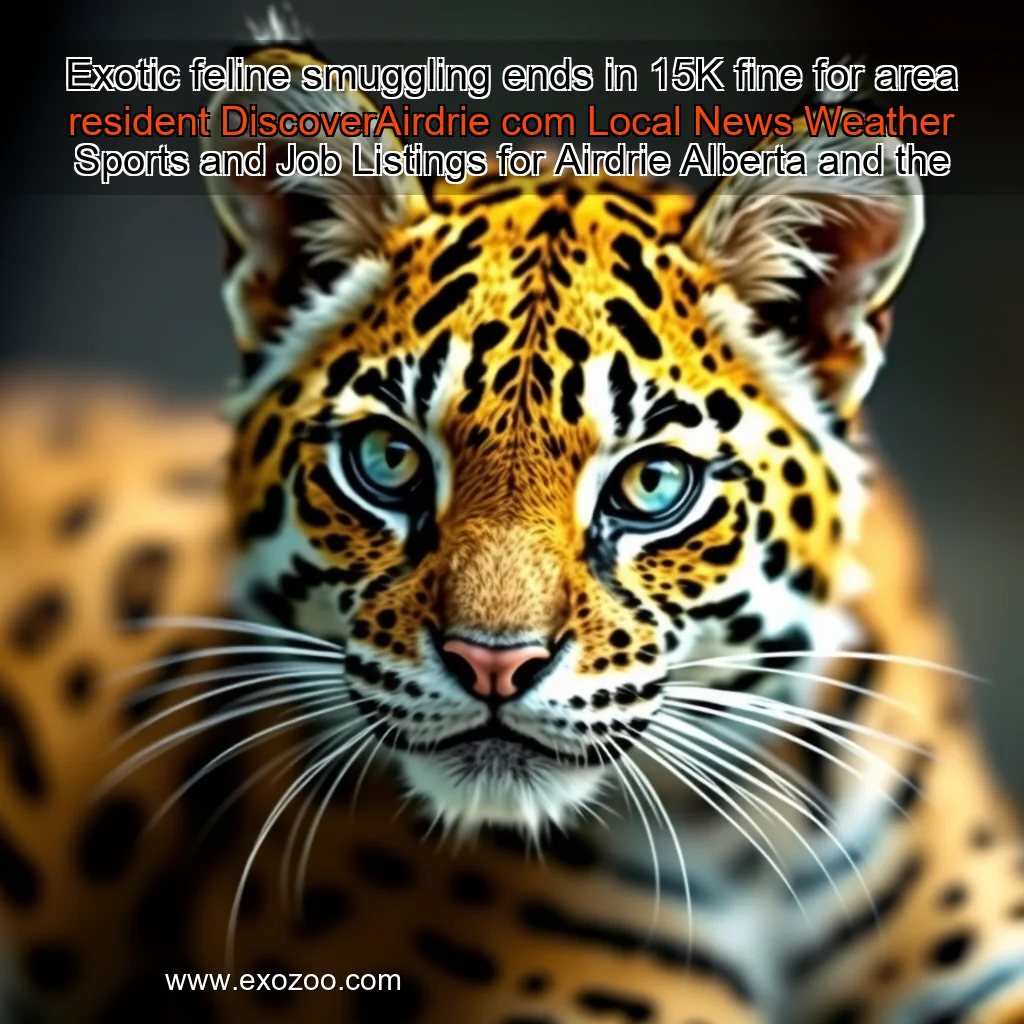
The Case Against Nikki Holmes
Nikki Holmes, a Canadian citizen, was charged with possession of a controlled animal under Alberta’s Wildlife Act. The case against her was based on the discovery of a controlled animal, a wolf, in her possession. The animal was found to be in poor health and was seized by wildlife authorities.
The Discovery of the Wolf
On January 10, 2023, a wildlife officer received a tip about a wolf being kept in a private residence in Alberta. The officer investigated the residence and found the wolf, which was later confirmed to be a controlled animal. The wolf was taken into custody and was subsequently seized by wildlife authorities.
The Investigation and Charges
The investigation into the case revealed that Holmes had been keeping the wolf in her home for several months. The wolf was found to be in poor health, with signs of malnutrition and neglect. Holmes was charged with possession of a controlled animal under Alberta’s Wildlife Act.
The Trial and Guilty Plea
Holmes pleaded guilty to the charges on January 15, 2023. As part of her plea agreement, she was fined $15,000. The guilty plea was seen as a positive outcome for the prosecution, as it avoided the need for a lengthy trial.
The Consequences of the Case
The case against Nikki Holmes had significant consequences for the animal welfare community. The seizure of the wolf and the subsequent fine served as a deterrent to others who may be considering keeping controlled animals as pets.
The Impact on Animal Welfare
The case highlighted the importance of animal welfare and the need for strict regulations to protect animals from neglect and abuse.
The Importance of Regulations
The strict laws on exotic wildlife ownership in Alberta serve as a crucial safeguard against ecological damage and public safety risks. By regulating the ownership of exotic animals, the government aims to prevent the introduction of invasive species, reduce the risk of animal attacks, and protect the environment. Key benefits of regulations: + Prevents the introduction of invasive species + Reduces the risk of animal attacks + Protects the environment + Promotes responsible pet ownership
The Challenges of Exotic Wildlife Ownership
Despite the importance of regulations, exotic wildlife ownership can still pose significant challenges. Some of the key issues include:
The Role of Enforcement
Effective enforcement of the laws and regulations is crucial to preventing ecological damage and public safety risks. The Alberta government has established a system of permits and licenses that must be obtained before owning an exotic animal.
The Public Health Act also regulates the importation of animals and plants, and the sale of animal products. The Animal Welfare Act regulates the treatment of animals in research, transportation, and exhibition. The Animal Welfare Act also regulates the sale of animals for food and the treatment of animals in slaughterhouses.
The Importance of Regulations in Animal Welfare
The regulation of animal welfare is a critical aspect of public health and environmental protection. In the United States, various laws and regulations govern the treatment and management of animals to ensure their well-being and prevent harm to humans and the environment. This article will explore the key regulations and laws that govern animal welfare, including the Public Health Act, Agricultural Pests Act, Animal Welfare Act, and others.
The Public Health Act
The Public Health Act is a comprehensive law that regulates the importation of animals and plants, as well as the sale of animal products.