
Understanding the Role of Wildlife in Fire Events
Wildlife plays a crucial role in fire events, and their behavior can significantly impact the spread of fires. In California, wildlife such as deer, rabbits, and birds can inadvertently contribute to the spread of fires by creating pathways for flames to follow. This is often due to their natural behavior, such as foraging for food or escaping from predators. Factors that contribute to wildlife’s role in fire events:
- Habitat fragmentation
- Human-wildlife conflict
- Climate change
- Fire ecology
- Increased risk of attacks: When wild animals lose their fear of humans, they become more likely to attack when they feel threatened or when they perceive humans as a threat to their food source. Disruption of natural behavior: Habituation can disrupt the natural behavior of wild animals, leading to changes in their diet, habitat, and social interactions.
The Hidden Dangers of Wildlife Encounters
Wildlife encounters can be a thrilling experience, but they also come with hidden dangers. While interacting with animals in the wild can be a fun and educational experience, it’s essential to be aware of the potential risks involved.
The Risks of Wildlife Encounters
Wildlife can transmit diseases or parasites to people and pets.
Donate to the local wildlife rehabilitation center or wildlife rescue organization. Wildlife Rehabilitation: A Crucial Role in Conservation
The Importance of Wildlife Rehabilitation
Wildlife rehabilitation is a vital component of conservation efforts, playing a crucial role in the recovery and release of injured, orphaned, and sick wildlife. The California Department of Fish and Wildlife (CDFW) is actively involved in monitoring the intake of wildlife at licensed rehabilitation facilities, ensuring that these animals receive the necessary care and attention to increase their chances of survival and successful release back into the wild.
The Challenges of Wildlife Rehabilitation
Wildlife rehabilitation is not without its challenges. Many animals that are brought to rehabilitation centers are victims of human activities such as habitat destruction, pollution, and climate change. These animals often suffer from a range of health problems, including injuries, diseases, and malnutrition. Additionally, the rehabilitation process can be lengthy and costly, requiring specialized equipment, expertise, and resources.
The Role of Volunteers
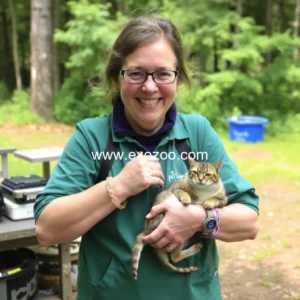
Volunteers play a vital role in wildlife rehabilitation, providing essential support and care to animals in need. Volunteers can contribute to licensed wildlife rehabilitation facilities by:
- Assisting with animal care and husbandry tasks
- Providing emotional support and companionship to animals
- Helping with fundraising and outreach efforts
- Participating in educational programs and events
Supporting Wildlife Rehabilitation through Donations
Donations are essential to supporting wildlife rehabilitation efforts. There are several ways to contribute to the cause:
- Volunteer for a licensed wildlife rehabilitation facility: Many facilities rely on volunteers to help care for animals and support their operations.
Use the CDFW Wildlife Mortality Reporting System to report dead wildlife. Use the CDFW Human-Wildlife Conflicts Toolkit web page for information on how to minimize human-wildlife conflicts.
The Importance of Leaving Wildlife Alone
California’s native wildlife are incredibly resilient and best left alone or assisted by trained professionals.
If you encounter a wild animal, stay calm and slowly back away.
Understanding the Risks of Human-Feeding Wild Animals
Feeding wild animals can have unintended consequences, including the loss of natural fear towards humans. This phenomenon is often referred to as “habituation.” When wild animals become accustomed to human food, they may lose their natural wariness and begin to view humans as a potential source of sustenance.