The Grand River Fur Exchange: A History of Animal Cruelty
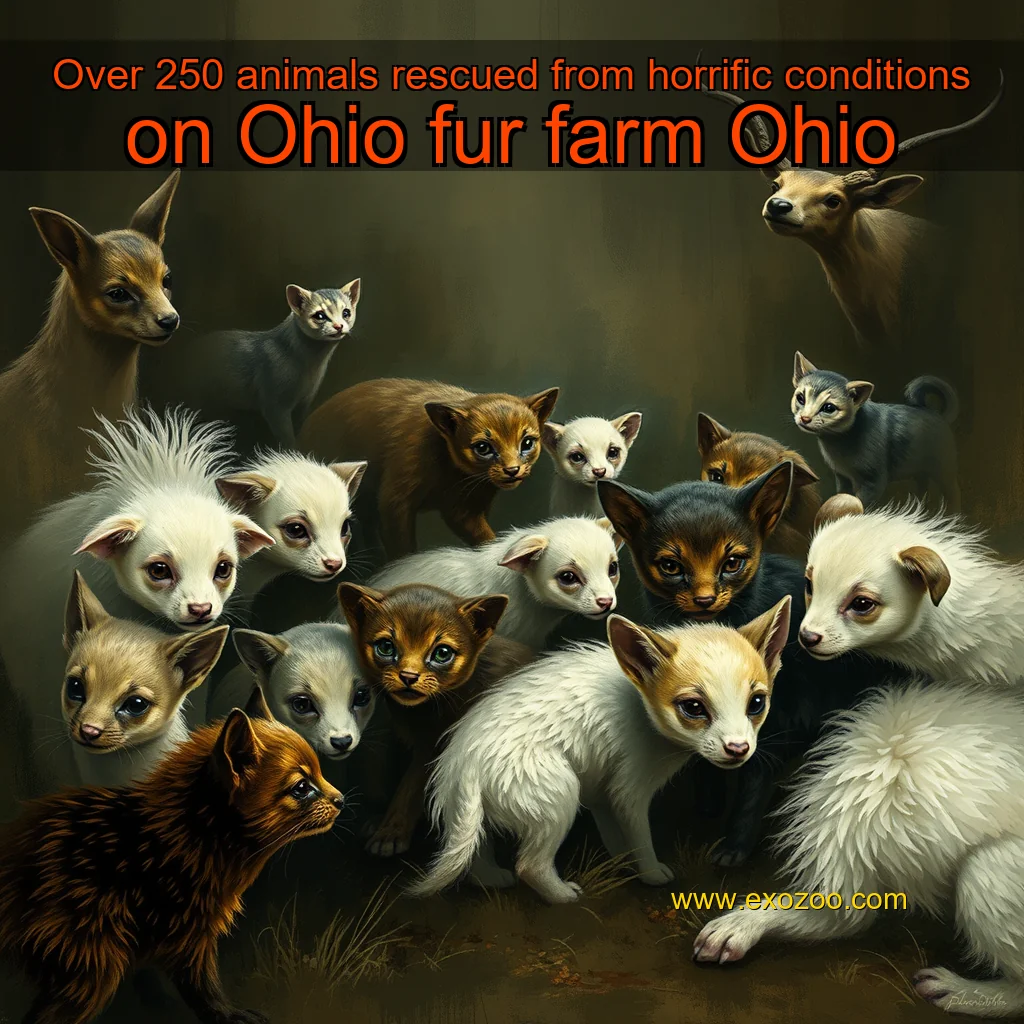
The Grand River Fur Exchange, located in Mansfield, Ohio, has been at the center of controversy for decades. The farm, which was once a thriving business, has been accused of animal cruelty and neglect. The most recent incident, which led to the removal of over 250 animals, is just the latest in a long line of scandals.
The History of Animal Cruelty
The Grand River Fur Exchange has a history of animal cruelty dating back to the 1970s. The farm was founded by a man named John H. Smith, who was known for his aggressive business tactics. Smith was accused of mistreating animals, including forcing them to endure extreme temperatures and neglecting their basic needs. Some of the most egregious examples of animal cruelty include: + Forcing animals to endure extreme temperatures, including freezing them in cold storage units and heating them in hot rooms. + Neglecting basic animal care, including failing to provide food, water, and shelter. + Using inhumane methods to kill animals, including electrocution and drowning.
The Current Situation
The most recent incident, which led to the removal of over 250 animals, was sparked by the death of the farm’s owner, John H. Smith.
The Humane Society also claims that the farm was involved in the production of animal feed, which was then sold to other farms and pet food companies.
The Dark Side of the Exotic Pet Trade
The exotic pet trade is a lucrative industry that has been linked to animal cruelty and neglect. The Humane Society has been investigating the activities of a farm in the United States that has been accused of being involved in the exotic pet trade.
The Farm’s Alleged Activities
The Humane Society alleges that the farm was used to raise and slaughter animals for their fur and urine, in addition to selling them as exotic pets. This is a disturbing revelation, as many exotic animals are kept as pets and are often subjected to inhumane treatment. The farm allegedly raised and slaughtered animals such as tigers, bears, and monkeys.
The Devastating Consequences of Animal Cruelty
The recent incident at the property highlights the devastating consequences of animal cruelty. The discovery of dead and dying animals, as well as those in dire need of rescue, underscores the severity of the situation. The fact that many animals were found deceased, covered in snow, is particularly disturbing, as it suggests a lack of care and concern for the well-being of the animals.
The Impact on the Animals
The animals that were rescued were in a state of extreme distress.
The company has been in operation since 1994 and has been a major player in the fur trade for over 25 years. West Wildlife is a subsidiary of the Canadian company, Westcoast Bear Products.
The Legacy of West Wildlife
West Wildlife has been a significant player in the fur trade for over 25 years, and its legacy is a testament to the company’s commitment to quality and customer satisfaction. The company’s history dates back to 1994, when it was founded by a group of experienced trappers and traders. Since then, West Wildlife has established itself as a leading supplier of high-quality furs to the fashion industry.
Key Milestones
The Impact of the Owner’s Passing
The passing of West Wildlife’s owner has sent shockwaves through the fur trade industry.